After planting, our work isn’t over. We return to the field to conduct surveys and assess what has happened over the summer—even after seven months without rain and without any irrigation.
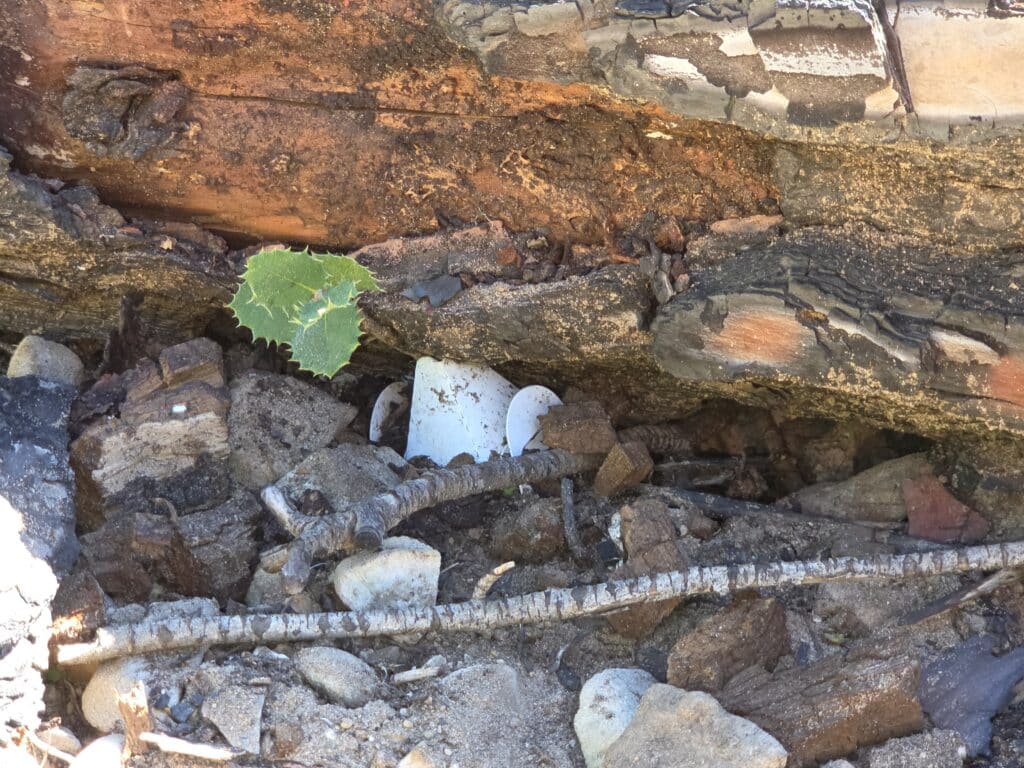
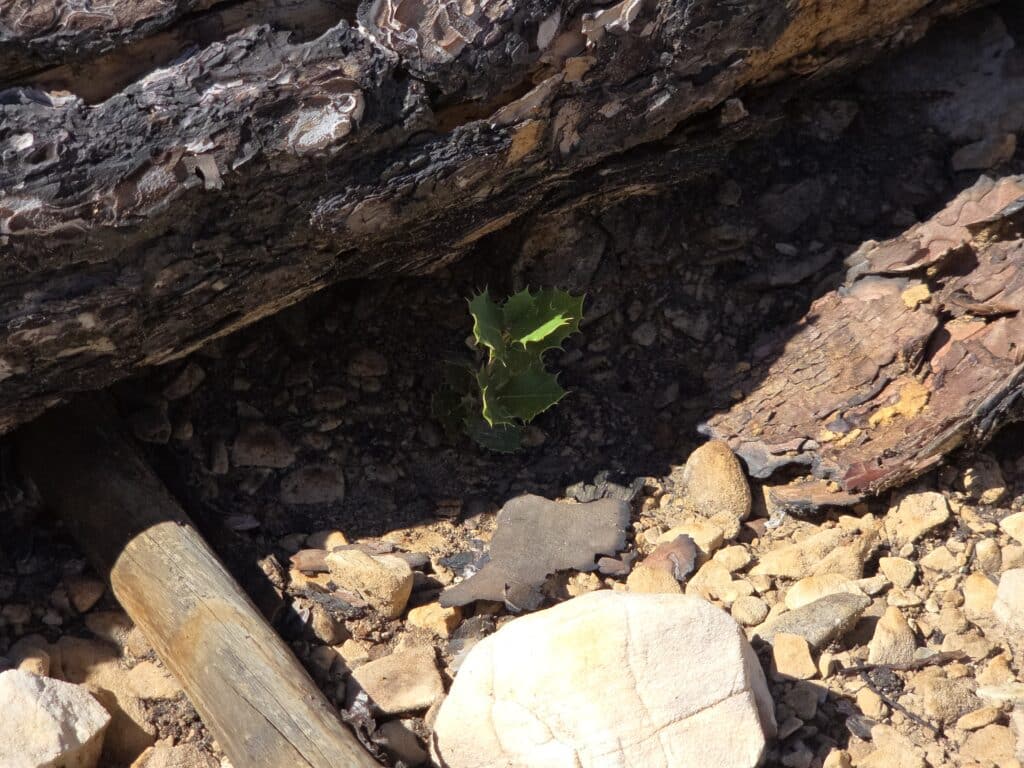
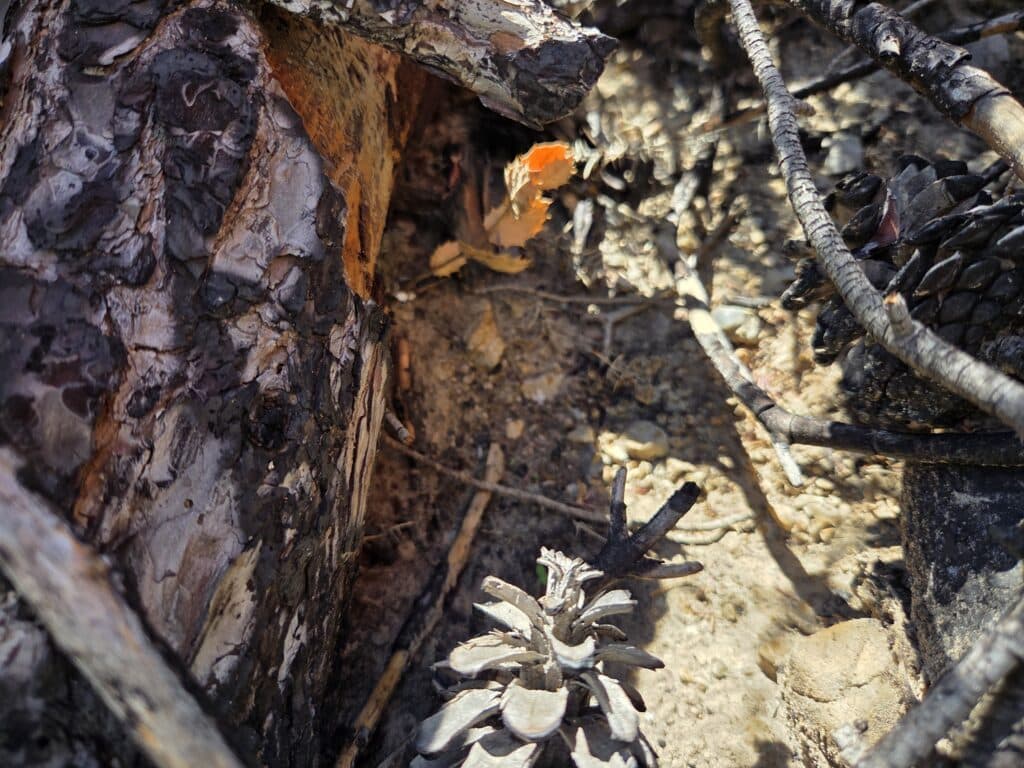
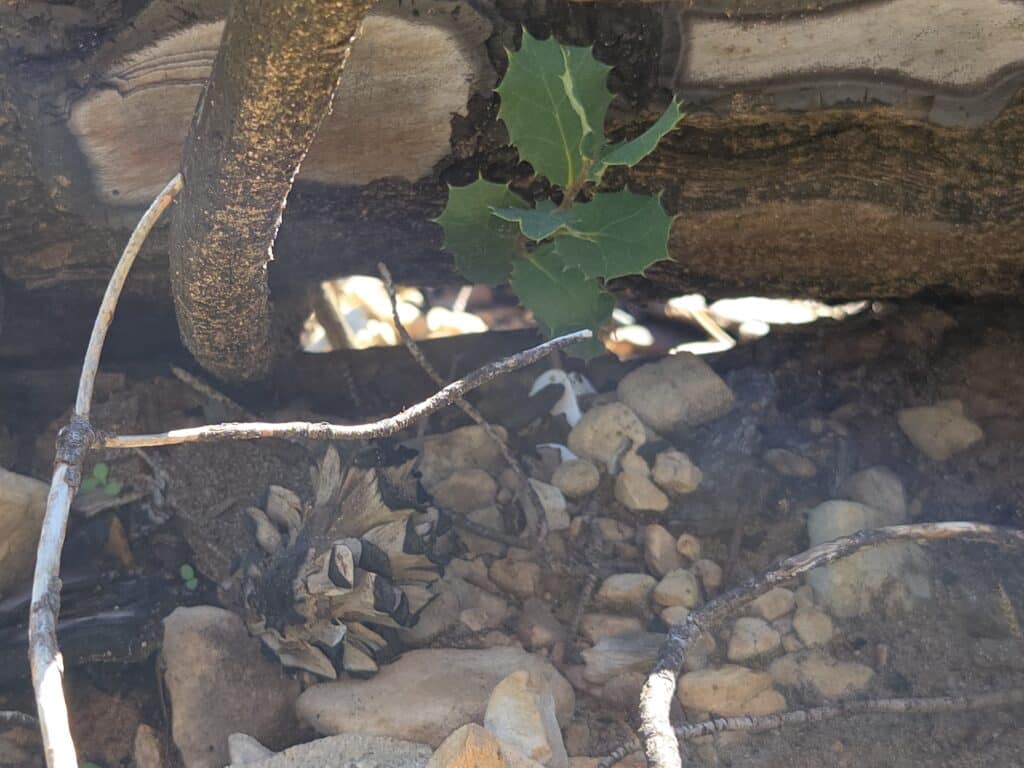
We inspect the planting areas, observing both the plants that have managed to survive the heat and find water through their roots, and those that sprouted but eventually dried up.
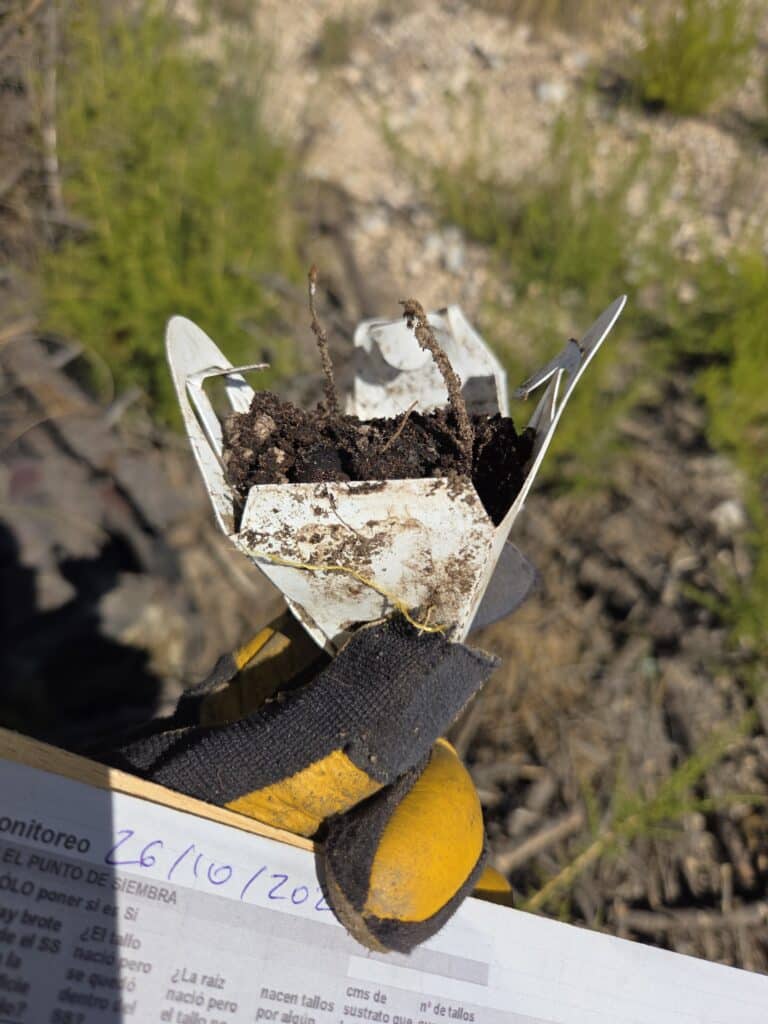
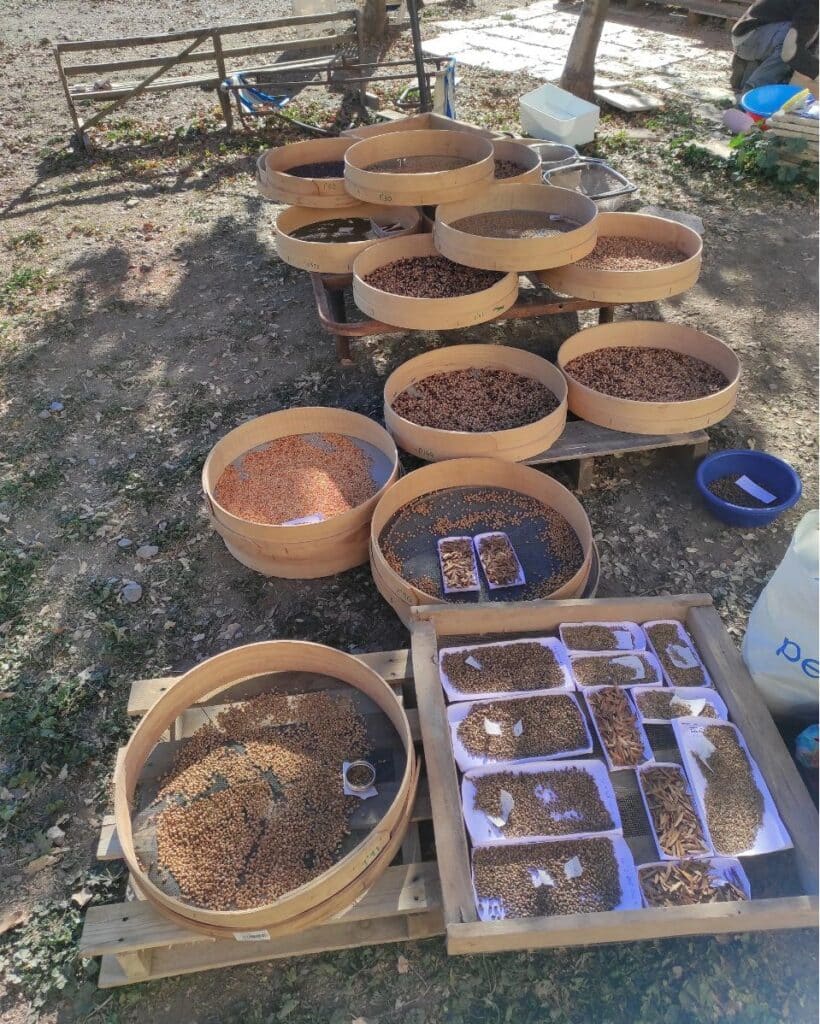
We also retrieve the SeedShelters to analyze what has happened inside them: whether the seeds have germinated, whether they have developed roots and stems, or whether they have suffered any kind of predation—for example, by mice.
All this information is recorded in monitoring logs. Every seed, every sprout, and every result provides us with valuable information to understand what is happening in the field, learn from our mistakes, and improve our direct-seeding technique. Because regenerating a forest isn’t just about planting—it’s also about observing, understanding, and learning from nature to increase the chances of success in future plantings.