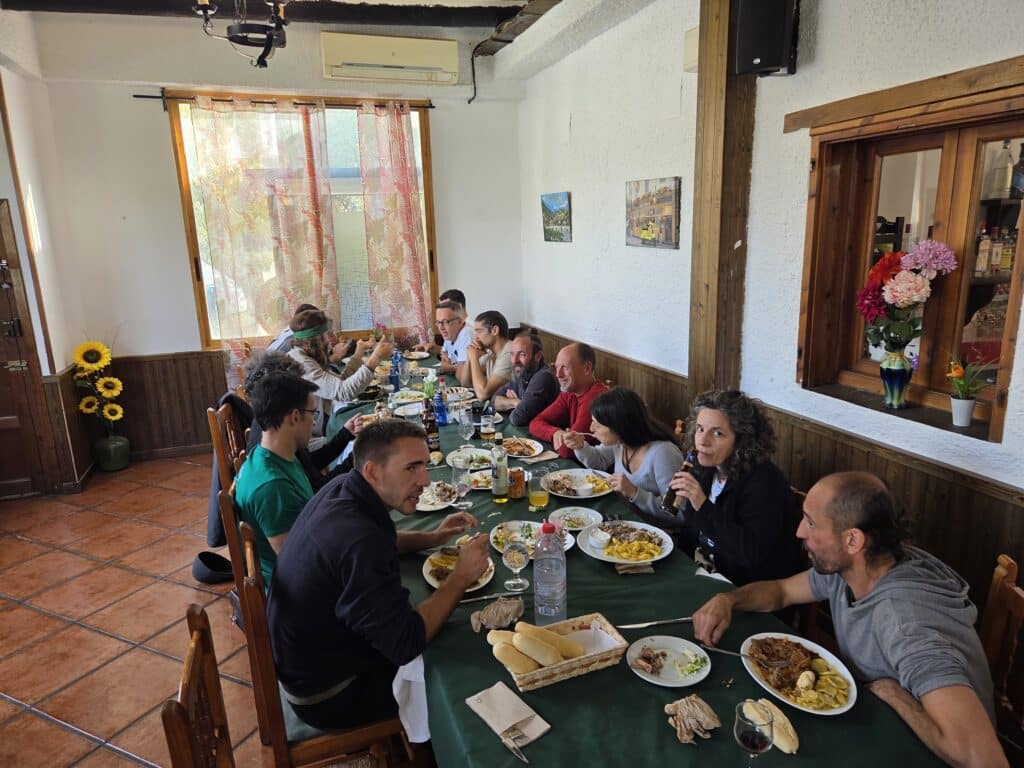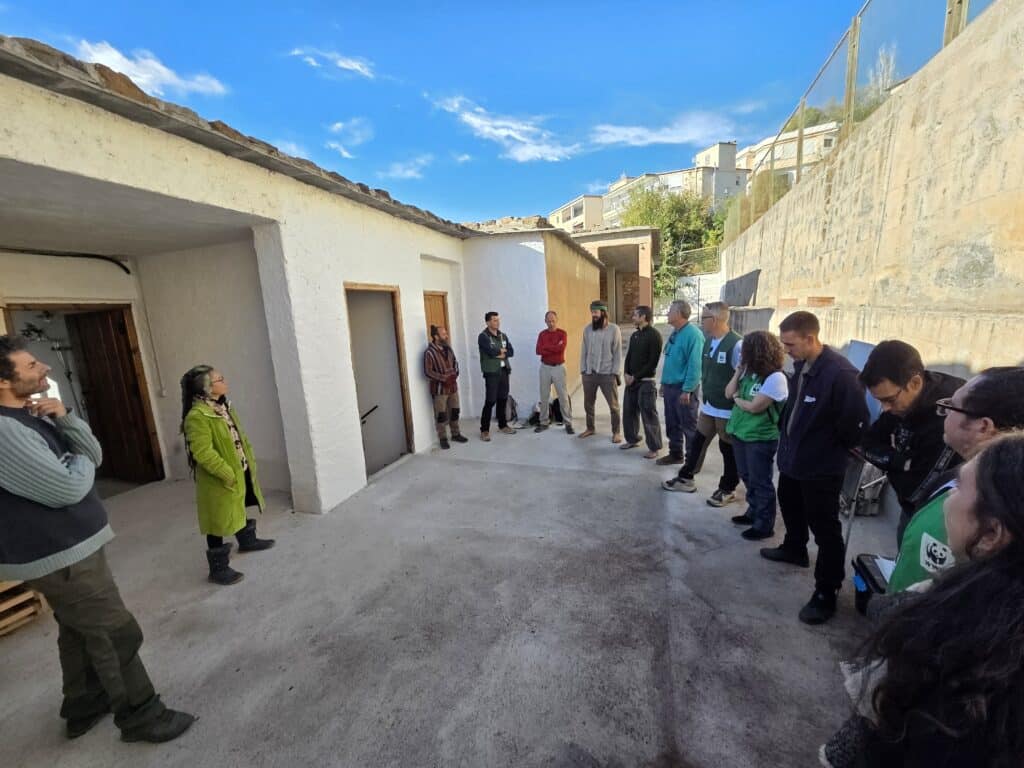
From November 6 to 8, we held the first Multilateral Meeting of Seed-Sowing Organizations in the Alpujarra, an initiative promoted by Semillistas to bring together various organizations that, in recent years, have participated in our training courses on the direct seeding methodology for forest restoration, as part of the SeedToSeed program.
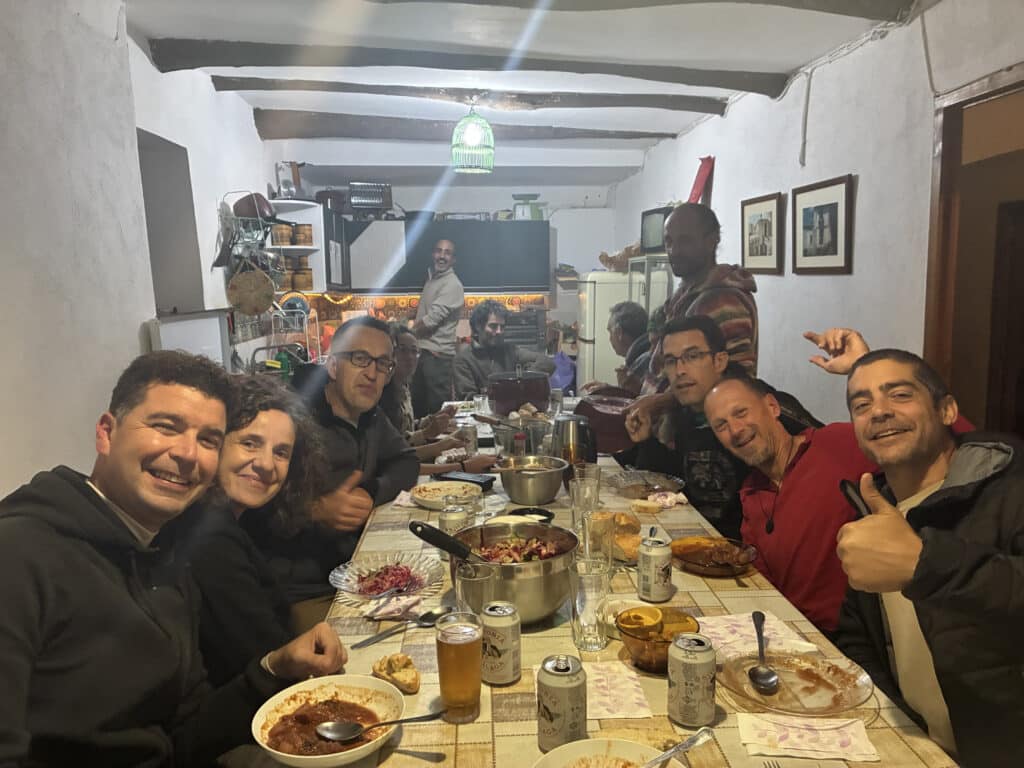
It was a very special weekend during which we brought together more than 14 participants from various organizations: SOCAN, from the Canary Islands; Red Sintrópica Malagueña (Málaga); WWF Málaga; the Pego viú Association; ARBA Elx; ARBA Vega Baja (Alicante); and, of course, Semillistas.
Learning by Doing: Seeds, Acorns, and Experimentation
In addition to getting to know each other better and sharing experiences, the gathering allowed us to continue strengthening a network of organizations committed to new ways of restoring our forests. Some organizations hadn’t met each other before, so it was a great opportunity to connect, exchange ideas, and discover all we can learn from one another.
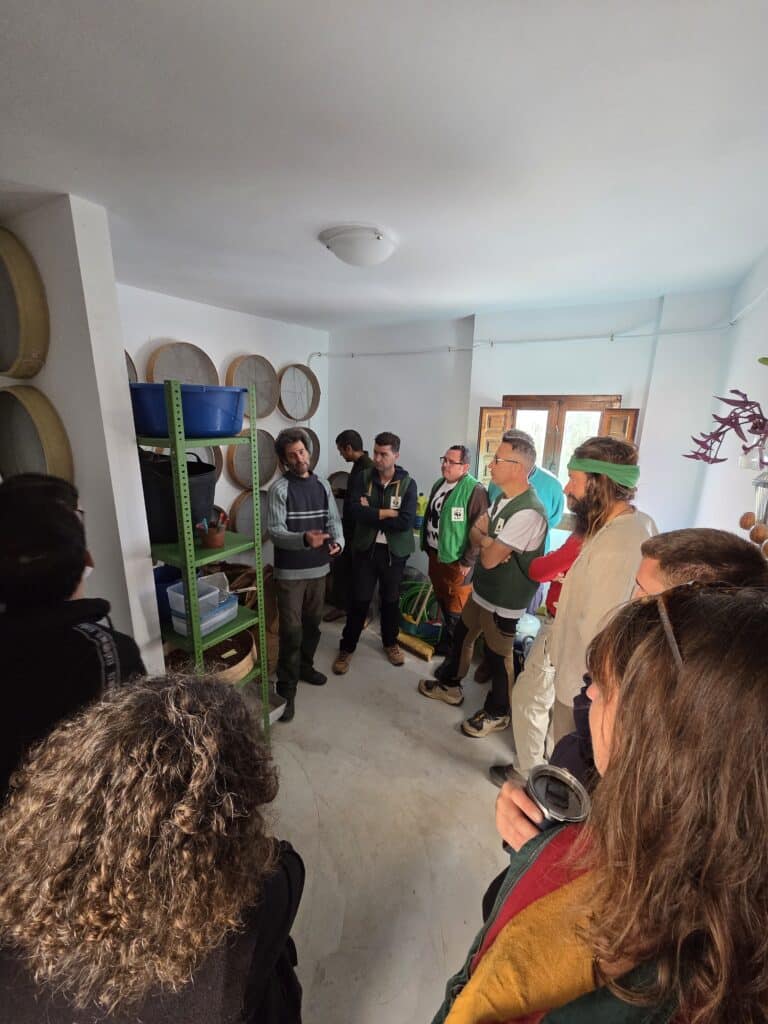
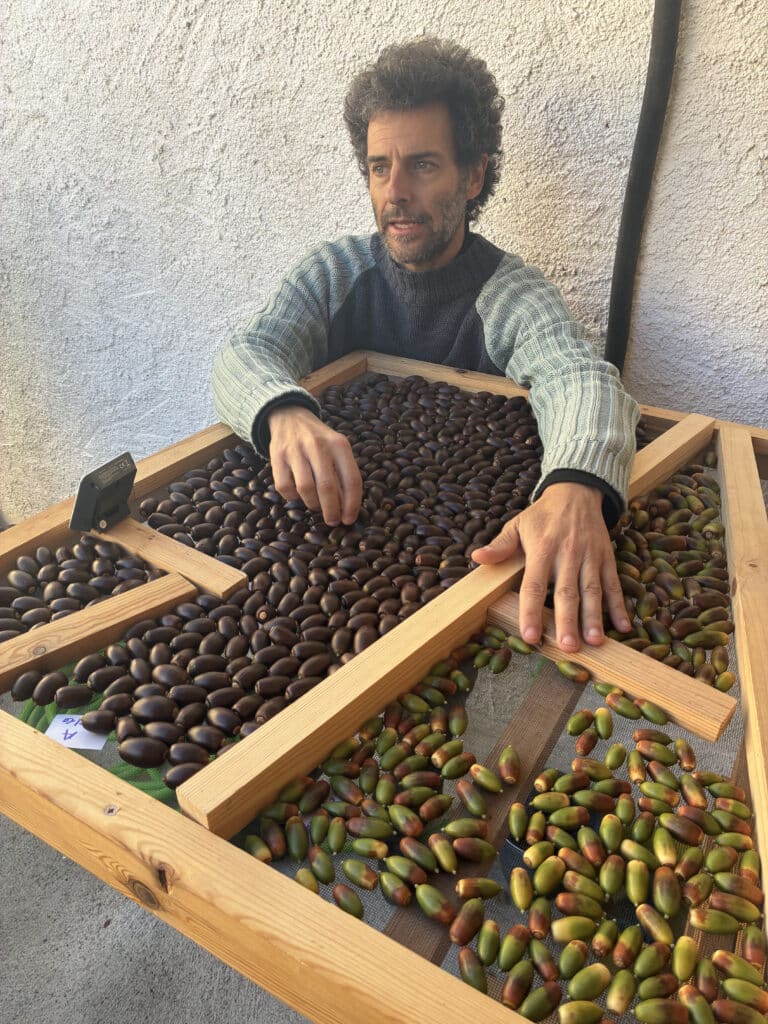
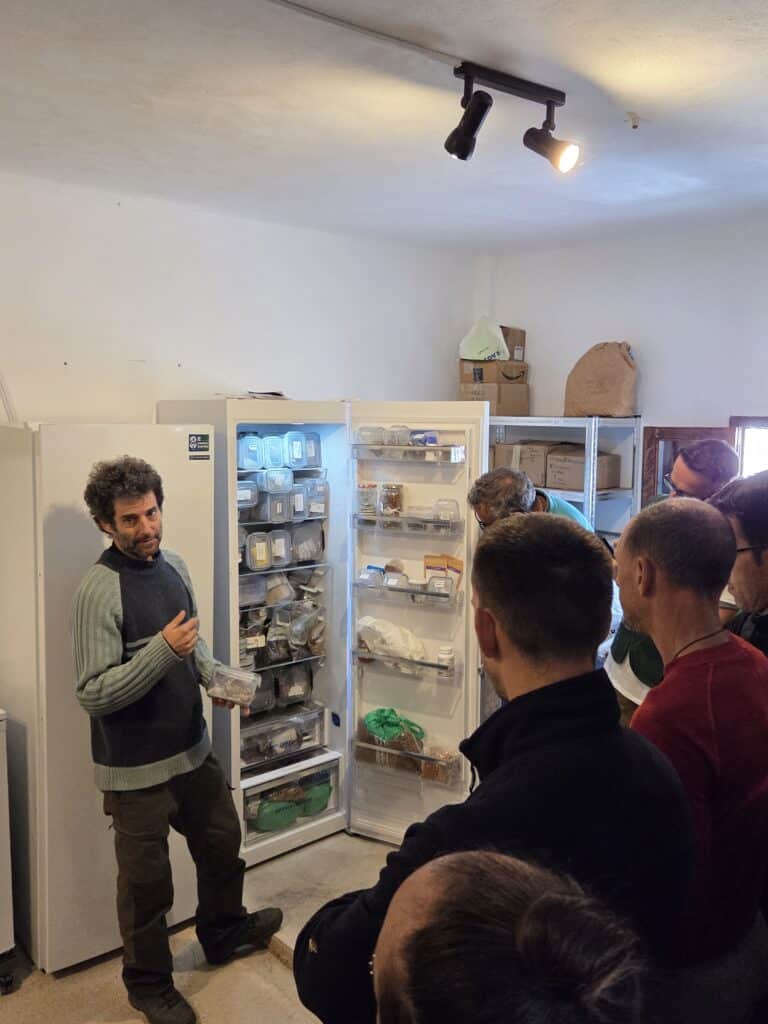
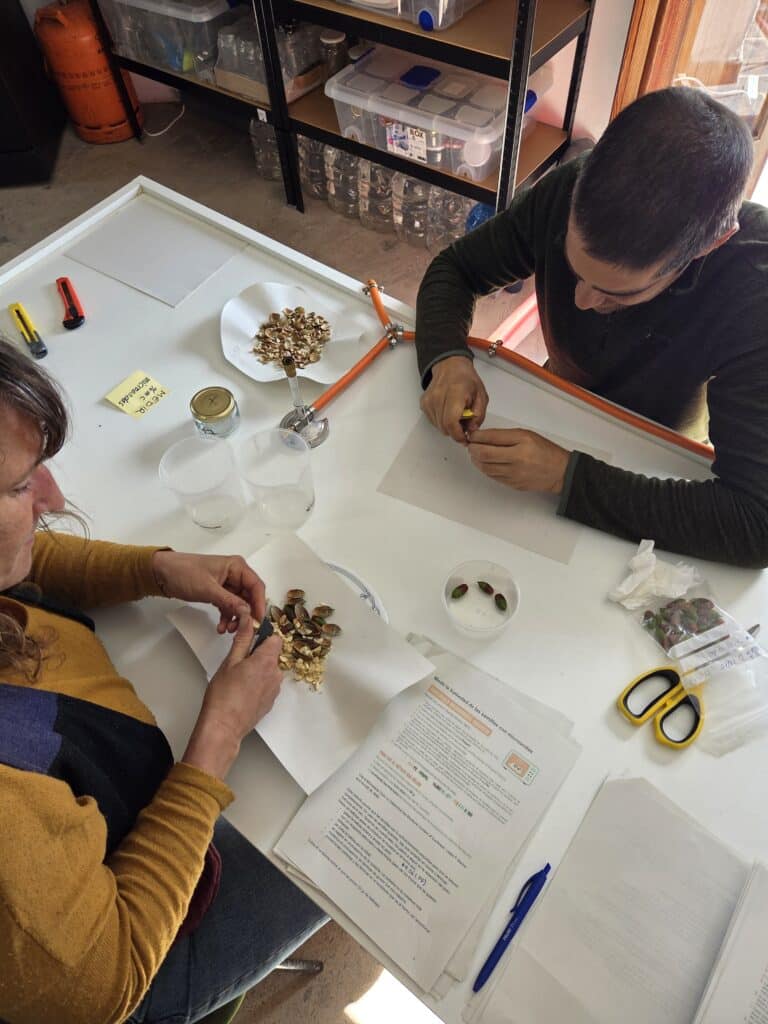
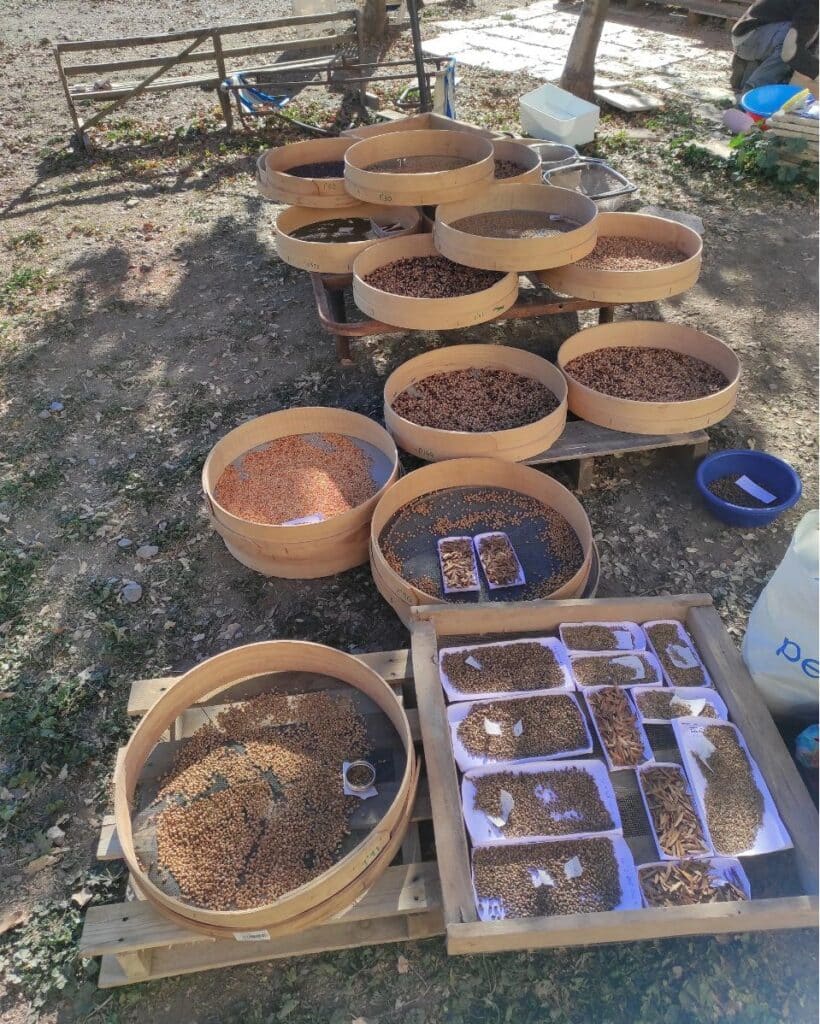
A significant part of the gathering was dedicated to hands-on training. On Saturday and Sunday mornings, we worked in the Semillistas laboratory in Pitres, carrying out various exercises and experiments related to the direct sowing of acorns and orthodox seeds.
We shared knowledge about the different aspects of these methodologies, pooling experiences and technical questions that help us improve our forest restoration processes.
We also spent Sunday morning planning the upcoming planting season. We worked on the campaigns each organization will carry out, addressing practical issues such as scheduling, the necessary biometric data, how many days in advance to prepare the seeds, and the organization of the entire process.
Getting to Know the Territory and Sharing Experiences
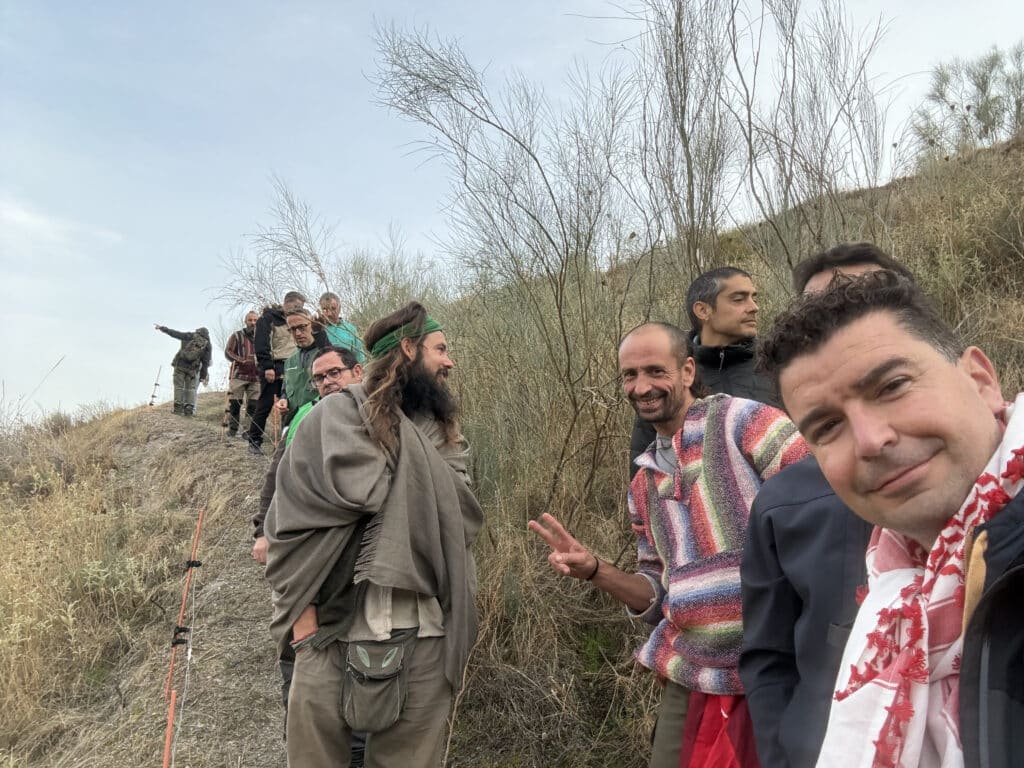
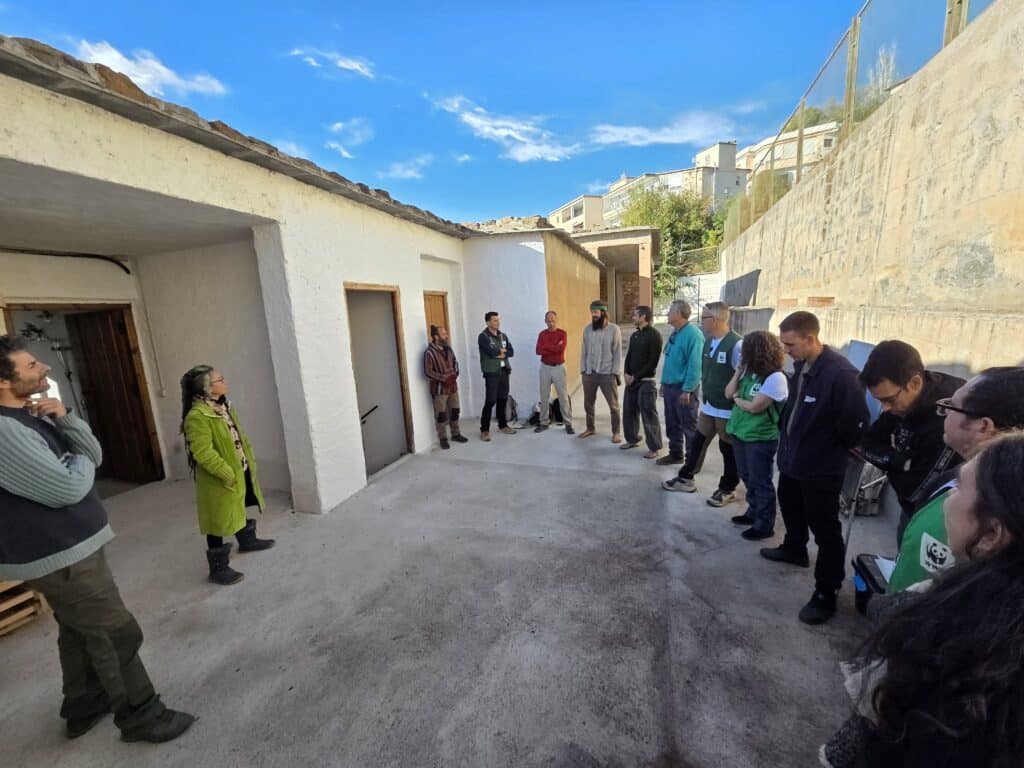
During the meeting, we also visited some of the sites where Semillistas carries out its direct-seeding activities and experiments. These visits allowed us to get a closer look at the work we do in the field, share the results we’ve obtained, and discuss both our successes and the issues we’re still investigating.
Building a Network to Grow Together
To conclude the gathering, we held a participatory session using methods such as the World Café. Through various conversations and proposals, we explored how we can jointly build a network of seed-saving organizations, what we need to learn and grow collaboratively, and how we want to continue working in the coming years.
We left with many ideas, new connections, and, above all, the certainty that sharing knowledge and experiences strengthens our work. Each organization brings its own reality, lessons learned, and challenges, and that diversity is precisely one of the great strengths of this network.
This first meeting marks an important step toward further expanding the direct seeding methodology for forest restoration, enabling more organizations to experiment with, adapt, and develop these practices in their own regions.
We would like to thank all the participating organizations and individuals for their commitment, generosity, and willingness to share. We also appreciate the support of the Ministry of Social Rights and the 2030 Agenda and the Unicaja Foundation, which made this meeting possible.