At Semillistas, we like to think that sharing knowledge is also a way of sowing life. That’s why we created our conversation series: relaxed discussions with people who have a lot to contribute on topics that interest us and that we believe are worth sharing.
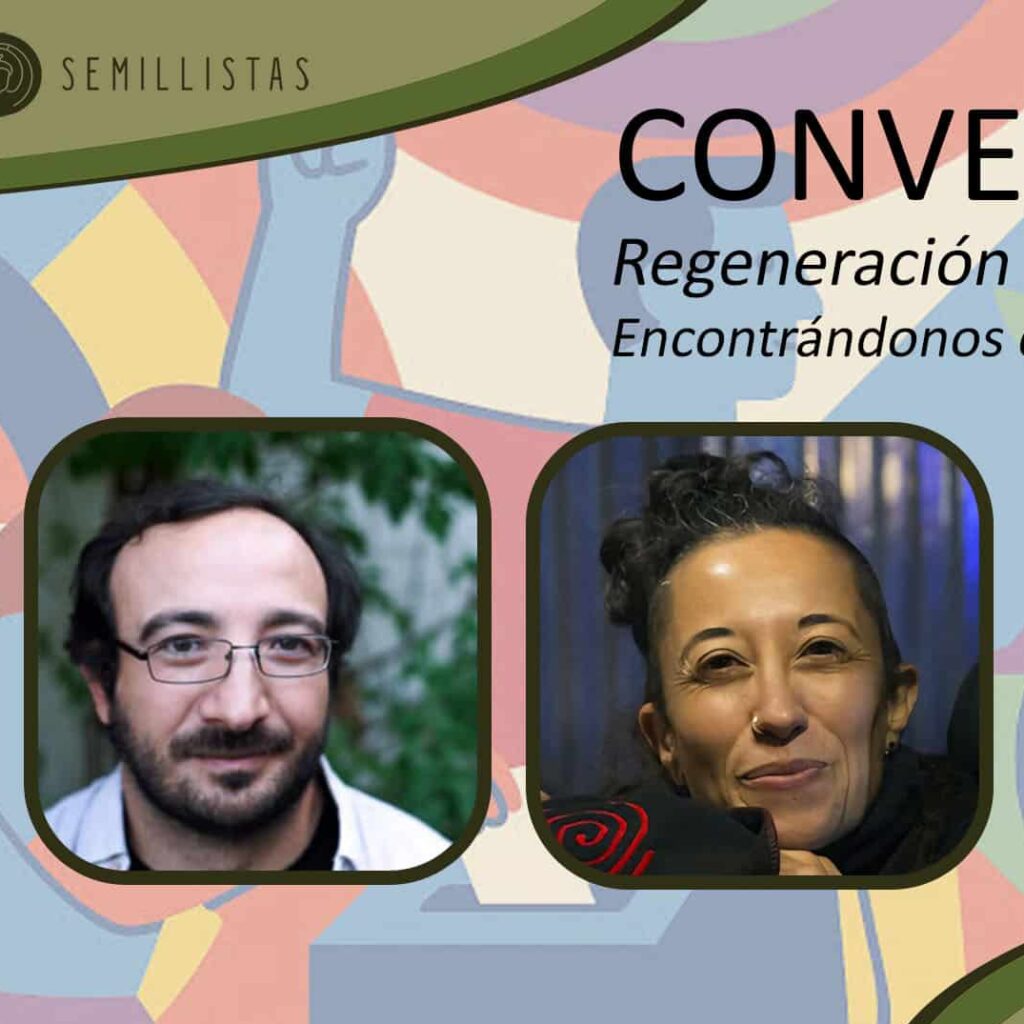
In this episode, we talk with Javier Moreno, from the PASOS Participación cooperative, and take a broad look at citizen participation and our ability to transform the places we live in.
We discussed many things: mutual aid networks, so-called “superactivists,” and why we don’t need heroes capable of doing everything, but rather connected people who know how to support one another and work together. We also talked about solarpunk utopias, our fascination with narratives of collapse, and the importance of imagining different and hopeful futures.
Another theme that ran through the conversation was our relationship with nature. Are we really separate from it? Where does this separation between people and our environment come from? And, if we are part of ecosystems, what does this mean when it comes to caring for them?
We also explored conflict—not as something we must necessarily avoid, but as an opportunity to encounter other perspectives, grow, and learn from diversity. This perspective leads us to ask questions even about something as closely tied to our forests as fire and wildfires.
Because participating in society doesn’t always mean doing great things. Often, we participate in ways that are more subtle than we realize: when we care for others, when we organize, when we share resources, when we build networks, or when we put our knowledge at the service of others.
And perhaps that is one of the key takeaways from this conversation: there’s no such thing as a “super-activist.” We need to be a network.
Nature also teaches us that life doesn’t function in isolation. Ecosystems are networks of relationships, support, exchanges, and conflicts. If we want to learn from them, perhaps we also need to learn to care for one another and organize ourselves in that way.
We invite you to listen to the full discussion and, above all, to continue the conversation: How do we participate in our communities? What support networks are we building? What futures do we want to imagine?